
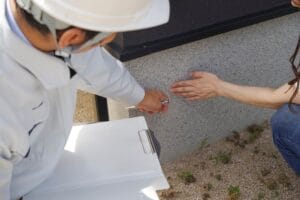
Dangerous conditions on private and commercial property can turn an ordinary visit into a life-changing injury or even death. Florida premises liability law generally expects owners and operators to use reasonable care to keep areas open to lawful visitors in a reasonably safe condition and to warn about hidden hazards that visitors cannot readily detect. The Ortega v. JW Marriott Investment, LLC decision involving a trip hazard in a parking garage illustrates how questions about visibility, maintenance, and foreseeability often belong with the factfinder, not a quick dismissal. In this case, personal injury attorneys in Miami can greatly help in your cause as well.
Things Property Owners Should Do to Prevent Accidents
Preventing accidents is not limited to fixing what is broken; it is a system of identifying risks, addressing them quickly, and documenting the steps taken. These practices also help clarify what happened when an incident is later disputed, especially in slip-and-fall cases, where Florida law imposes specific proof requirements on the injured person.
Pinpointing hazards and making prompt repairs
A sound safety program begins with actively identifying hazards such as uneven walking surfaces, cracked pavement, loose flooring, poor drainage that leaves slick areas, and deteriorated handrails or stair edges. Repairs should be timely and documented because delays can allow a condition to persist long enough that a property owner “should have known” about it through ordinary care, a concept central to business slip-and-fall claims involving transitory substances.
Placing visible warnings
Warnings are not a substitute for repair, but they are often critical while a hazard is being corrected or when an area must be restricted. Clear, visible signs and temporary barriers can reduce the likelihood of harm and also help demonstrate that the owner took reasonable steps to alert visitors to a dangerous condition. Florida courts also distinguish between a duty to warn and a duty to maintain, meaning a warning may address one duty while the underlying condition still must be made reasonably safe.
Conducting thorough and regular inspections
Regular inspections are the backbone of prevention because hazards change over time with weather, foot traffic, cleaning routines, deliveries, and repairs. Inspection frequency should match the risk level of the area, for example, entrances during rain, restrooms, food service aisles, parking garages, and stairwells. In the previously mentioned Ortega v. JW Marriott Investment, the Third District Court of Appeal described landowners as owing invitees a duty to maintain property in a reasonably safe condition and a separate duty to warn of latent dangers, reinforcing why consistent inspection and follow-through matter.
Having a comprehensive maintenance plan
A maintenance plan should assign responsibility, set timelines, and establish standards for repairs, cleaning, lighting checks, drainage control, and contractor oversight. For multifamily residential property safety and security, Florida law also provides a framework that can create a presumption against liability for certain third-party crimes when specified security measures and related steps are in place, which underscores how written protocols and implementation can affect outcomes.
Keeping detailed inspection documentations
Detailed records can be decisive when the facts are contested, including logs, photographs, work orders, vendor invoices, incident reports, and preservation of relevant video. Documentation helps show what was observed, what was done, and when, which can be important in cases where notice is disputed, such as business slip-and-fall claims requiring proof of actual or constructive knowledge of the condition.
How Can A Personal Injury and Wrongful Death Lawyer Help?
When serious injuries occur, Miami, Florida injury attorneys can help preserve evidence quickly, identify all potentially responsible parties, and build a clear timeline using records, video, maintenance history, and witness statements. A lawyer can also evaluate how Florida’s comparative fault rules may affect recovery, including the rule barring damages if a claimant is found more than fifty percent at fault in most negligence actions.
For fatal incidents, the Florida Wrongful Death Act governs who may recover and what damages may be sought for survivors and the estate, and the pleadings must identify beneficiaries and their relationships to the decedent.
Time limits also matter, as Florida’s limitations statute lists wrongful death within the two years applicable to specified actions, so early legal guidance can protect the claim from preventable deadline problems. In South Florida, personal injury attorneys in Miami and a Miami wrongful death attorney can use these rules to frame the case, respond to defenses such as “open and obvious,” and present the strongest available proof of unsafe conditions and avoidable harm.
Safer Properties Lead to Fewer Tragedies
Preventing dangerous conditions requires consistent inspections, prompt repairs, clear warnings, and reliable documentation. These steps reduce injuries and also create an objective record when a dispute arises about notice, maintenance, and reasonable care. When harm is severe or a death occurs, Florida statutes and court decisions shape what must be proven and what damages may be available. If you would like to discuss a potential premises liability or wrongful death matter, schedule a consultation with Buchalter Hoffman Dorchak & Lissa or contact (305) 891-0211.