
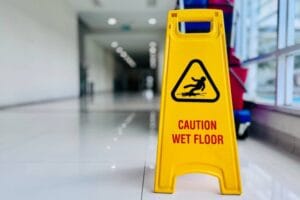
A slip-and-fall in a Florida grocery store, hotel, or resort can lead to long-term medical needs, missed work, and in severe cases, life-ending injuries. Liability often turns on who controlled the area, what safety steps were in place, and whether the danger was known or should have been known. Florida law treats many “spill on the floor” cases differently from other property hazards, so the facts matter from the first day. Knowing the likely responsible parties, coupled with the advice of a personal injury attorney in Miami, helps you protect your claim and focus on recovery.
Who is Liable After a Slip-And-Fall in a Florida Store, Hotel, or Resort?
In many Florida slip-and-fall cases, more than one party may share responsibility. The key question is who had possession or control of the area, along with who created, ignored, or failed to fix the hazard within a reasonable time.
Business owners
Business owners generally owe guests and shoppers a duty to keep premises reasonably safe and to address hazards that can foreseeably cause injury. When the fall involves a transitory foreign substance, such as liquid, food, or debris in a business establishment, Florida law on negligence typically requires the injured person to prove the business had actual knowledge or constructive knowledge of the dangerous condition and should have taken action to remedy it. Constructive knowledge can be shown by evidence that the condition existed long enough to be discovered through ordinary care, or that it occurred with regularity and was therefore foreseeable
Recent appellate decisions illustrate how closely courts examine proof of notice. In Duran v. Crab Shack Acquisition, the Florida Fifth District Court of Appeals affirmed summary judgment where the plaintiff could not show how long the substance was present or provide indicators like tracking, footprints, or other evidence supporting constructive notice.
Grocery store managers
Managers can be central witnesses, and their actions can shape liability because they oversee staffing, inspections, cleaning schedules, and hazard reporting. A store may argue it had reasonable inspection practices, while an injured person may point to gaps such as missed aisle checks, delayed cleanup, or poor documentation.
Evidence like surveillance footage, incident reports, inspection logs, and employee testimony can become decisive when proving whether the store should have discovered the hazard in time to fix it or warn patrons. Courts have also recognized that plaintiffs may present enough evidence to reach a jury on these issues when the record supports a reasonable inference of notice, even if the trial court initially rejected the claim.
Other parties (contractors)
Hotels and resorts frequently hire outside contractors for cleaning, floor maintenance, renovations, and pool or walkway upkeep. If a contractor created the hazard, used unsafe materials, failed to place warnings during active work, or left a surface unreasonably slippery, that contractor may share responsibility with the property owner. These cases often involve contract scope, work orders, maintenance records, and whether the owner retained control over the work area. Even when the hazard is not a “spill” covered by the transitory substance statute, Florida law still recognizes ongoing duties tied to possession and control of business premises.
Liability Waivers and How a Lawyer Helps Your Case?
Hotels and resorts sometimes use waivers for optional activities such as excursions, water sports, or recreational amenities. Florida courts scrutinize these agreements, and enforceability often turns on whether the language is clear and unequivocal. In Sanislo v. Give Kids the World, the Florida Supreme Court held that an exculpatory clause may still be effective even without using the word “negligence,” so long as the wording clearly communicates the release of liability.
Additionally, attorneys in North Miami, FL, can help by quickly preserving time-sensitive evidence, including surveillance video that may be overwritten, identifying every potentially responsible party, and building proof of notice under Florida’s slip-and-fall rules. Counsel can also evaluate comparative fault arguments, which now carry higher stakes because Florida’s modified comparative fault statute bars recovery if a claimant is found more than 50 percent at fault in covered negligence actions.
Finally, timing matters: Florida’s limitations period includes a two-year deadline for negligence actions and wrongful death actions, making early legal planning important even while medical treatment is ongoing.
Proving Florida Slip-and-Fall Liability Starts With the Right Evidence
A Florida slip-and-fall claim is strongest when it identifies who controlled the area, ties the hazard to a duty to repair or warn, and proves notice when a transitory substance is involved. If a fall leads to catastrophic injury or death, families may also need guidance from North Miami personal injury lawyers to evaluate every available claim path.For case-specific guidance, schedule a free consultation with Buchalter Hoffman Dorchak & Lissa or call (305) 891-0211.